


Liquid Meth
Price range: $185.00 through $6,000.00
Liquid Meth
“Liquid Crystal Meth (LCM) awareness guide: learn effects, risks, signs of abuse, and treatment options for safe, informed prevention.” Learn Liquid Crystal Meth (LCM), a highly potent form of methamphetamine. Discover its effects, health risks, signs of abuse, and treatment options. crystal meth for sale online, Stay informed to protect yourself and others.
We supply only high-purity products that meet strict quality expectations. Each unit is handled with care and verified to ensure exceptional cleanliness and consistency. Our worldwide shipping service is fast, secure, and completely discreet, giving you confidence from order placement to delivery. Packages are professionally sealed and shipped with a tracking number for full visibility. buy crystal meth online No matter your location, we prioritize safety, discretion, and reliability. When you choose our product, you’re choosing quality craftsmanship supported by dependable international shipping and transparent order tracking.
Liquid Meth – Liquid Crystal Meth: What You Need to Know
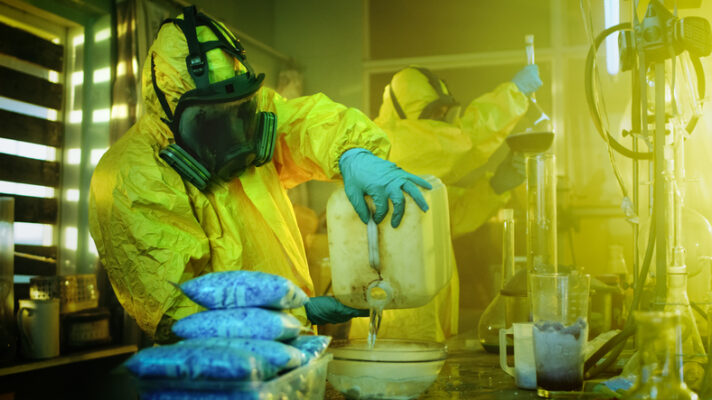
Liquid Crystal Meth, often referred to as LCM or simply crystal meth, is a highly potent synthetic stimulant. It belongs to the amphetamine class of drugs and is known for its intense psychoactive effects. While crystal meth usually appears in crystalline or powder form, liquid crystal meth is a less common variant that is gaining attention for its unique properties and dangers. Understanding this substance is essential for health professionals, educators, and those looking to prevent substance abuse.
What is Liquid Crystal Meth?
Liquid crystal meth is essentially the liquid form of methamphetamine. It shares the same chemical structure as traditional crystal meth but is dissolved in a solution, making it easier to ingest via different methods. Unlike powdered meth, which is commonly smoked, snorted, or injected, liquid crystal meth can be ingested orally, added to drinks, or even vaporized for inhalation.
Key Characteristics:
-
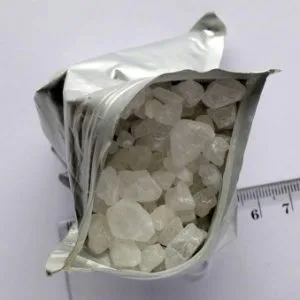
Appearance: Clear or slightly colored liquid, sometimes with a crystalline shimmer.
-
Potency: Often stronger per dose than powder due to its concentration.
-
Effect Duration: Effects can last 8–12 hours, similar to solid meth forms.
How Liquid Crystal Meth Works
Like all methamphetamine variants, liquid crystal meth stimulates the central nervous system. It increases levels of dopamine, norepinephrine, and serotonin in the brain, producing intense euphoria, increased energy, and heightened alertness. Users may experience:
-
Increased focus and energy
-
Decreased appetite
-
Enhanced confidence or sociability
-
Heightened physical activity
However, these effects come with serious risks, including cardiovascular strain, neurotoxicity, and long-term mental health issues such as paranoia, anxiety, and psychosis. buy Liquid Meth
Methods of Use
Liquid crystal meth is versatile in administration:
-
Oral Ingestion: Adding to beverages or swallowing small amounts.
-
Vaporization: Heating the liquid to inhale the vapor, producing rapid effects.
-
Injection: Though less common, it can be injected directly into the bloodstream, significantly increasing the risk of overdose and infection.
Each method carries unique dangers, and even small doses can be harmful or fatal.
Health Risks of Liquid Crystal Meth
The health risks associated with liquid crystal meth are severe and often amplified compared to powdered meth due to its concentrated form. Key risks include:
-
Cardiovascular Problems: Elevated heart rate, high blood pressure, and increased risk of heart attack.
-
Neurological Damage: Long-term use can damage neurons, leading to memory loss, cognitive impairment, and emotional instability. where can i buy methamphetamines
-
Addiction: Highly addictive due to its intense dopamine release, causing compulsive drug-seeking behavior.
-
Mental Health Issues: Anxiety, paranoia, hallucinations, and aggressive behavior are common.
Overdose is possible and can result in seizures, hyperthermia, organ failure, or death.
Legal Status
Liquid crystal meth is illegal in most countries and is classified as a Schedule II controlled substance in the United States. Possession, distribution, or manufacturing can lead to severe legal consequences, including imprisonment and heavy fines.
Prevention and Awareness
Awareness is the first step in preventing methamphetamine abuse. Educators, parents, and healthcare providers should:
-
Educate young adults about the dangers of meth use.
-
Recognize early signs of meth abuse, such as sudden weight loss, erratic behavior, and dental issues (“meth mouth”).
-
Encourage those struggling with substance abuse to seek professional help immediately.
Treatment Options
Addiction to liquid crystal meth is treatable, but recovery can be challenging. Treatment options include:
-
Behavioral Therapy: Cognitive Behavioral Therapy (CBT) helps modify harmful thought patterns.
-
Support Groups: Programs like Narcotics Anonymous provide peer support.
-
Medical Intervention: Detoxification under medical supervision may be necessary for severe cases.
Early intervention improves recovery outcomes significantly. where to buy methamphetamine
FAQ About Liquid Crystal Meth
1. Is liquid crystal meth more dangerous than powdered meth?
Yes. Because it is highly concentrated, liquid crystal meth can deliver a stronger dose more quickly, increasing the risk of overdose and long-term health damage.
2. How long do the effects of liquid crystal meth last?
Effects typically last 8–12 hours, though residual effects such as insomnia, anxiety, and appetite suppression may persist for days.
3. Can liquid crystal meth be detected in drug tests?
Yes. Methamphetamine, whether liquid or solid, can be detected in urine, blood, and hair tests. Detection windows vary depending on usage frequency.
4. What are the signs of liquid crystal meth abuse?
Common signs include:
-
Rapid weight loss
-
Dilated pupils
-
Excessive energy and restlessness
-
Paranoia and hallucinations
-
Dental decay and poor hygiene
5. Is there a safe way to use liquid crystal meth?
No. Methamphetamine, in any form, carries significant risks. There is no safe recreational use, and any use can lead to addiction, health complications, or legal consequences.
6. How is addiction to liquid crystal meth treated?
Treatment involves a combination of behavioral therapy, medical supervision during detox, and ongoing support through counseling or recovery programs.
Conclusion
Liquid crystal meth is a highly dangerous stimulant with severe physical, mental, and legal consequences. Understanding its effects, risks, ice crystal meth and signs of abuse is critical for prevention and early intervention. Awareness, education, and professional treatment are essential to combat the impact of this powerful substance.
Liquid Crystal Meth, often referred to as LCM or simply crystal meth, is a highly potent synthetic stimulant. It belongs to the amphetamine class of drugs and is known for its intense psychoactive effects. While crystal meth usually appears in crystalline or powder form, liquid crystal meth is a less common variant that is gaining attention for its unique properties and dangers. Understanding this substance is essential for health professionals, educators, and those looking to prevent substance abuse.
What is Liquid Crystal Meth?
Liquid crystal meth is essentially the liquid form of methamphetamine. It shares the same chemical structure as traditional crystal meth but is dissolved in a solution, making it easier to ingest via different methods. Unlike powdered meth, which is commonly smoked, snorted, or injected, liquid crystal meth can be ingested orally, added to drinks, or even vaporized for inhalation.
Key Characteristics:
-
Appearance: Clear or slightly colored liquid, sometimes with a crystalline shimmer.
-
Potency: Often stronger per dose than powder due to its concentration.
-
Effect Duration: Effects can last 8–12 hours, similar to solid meth forms.
How Liquid Crystal Meth Works
Like all methamphetamine variants, liquid crystal meth stimulates the central nervous system. It increases levels of dopamine, norepinephrine, and serotonin in the brain, producing intense euphoria, increased energy, and heightened alertness. Users may experience:
-
Increased focus and energy
-
Decreased appetite
-
Enhanced confidence or sociability
-
Heightened physical activity
However, these effects come with serious risks, including cardiovascular strain, neurotoxicity, and long-term mental health issues such as paranoia, anxiety, and psychosis.
Methods of Use
Liquid crystal meth is versatile in administration:
-
Oral Ingestion: Adding to beverages or swallowing small amounts.
-
Vaporization: Heating the liquid to inhale the vapor, producing rapid effects.
-
Injection: Though less common, crystal blue meth it can be injected directly into the bloodstream, significantly increasing the risk of overdose and infection.
Each method carries unique dangers, and even small doses can be harmful or fatal.
Health Risks of Liquid Crystal Meth
The health risks associated with liquid crystal meth are severe and often amplified compared to powdered meth due to its concentrated form. Key risks include:
-
Cardiovascular Problems: Elevated heart rate, high blood pressure, and increased risk of heart attack.
-
Neurological Damage: Long-term use can damage neurons, leading to memory loss, cognitive impairment, and emotional instability.
-
Addiction: Highly addictive due to its intense dopamine release, causing compulsive drug-seeking behavior.
-
Mental Health Issues: Anxiety, paranoia, hallucinations, and aggressive behavior are common.
Overdose is possible and can result in seizures, hyperthermia, organ failure, or death.
Legal Status
Liquid crystal meth is illegal in most countries and is classified as a Schedule II controlled substance in the United States. Possession, distribution, or manufacturing can lead to severe legal consequences, including imprisonment and heavy fines.
Prevention and Awareness
Awareness is the first step in preventing methamphetamine abuse. Educators, parents, and healthcare providers should:
-
Educate young adults about the dangers of meth use.
-
Recognize early signs of meth abuse, such as sudden weight loss, erratic behavior, and dental issues (“meth mouth”).
-
Encourage those struggling with substance abuse to seek professional help immediately.
Treatment Options
Addiction to liquid crystal meth is treatable, but recovery can be challenging. Treatment options include:
-
Behavioral Therapy: Cognitive Behavioral Therapy (CBT) helps modify harmful thought patterns.
-
Support Groups: Programs like Narcotics Anonymous provide peer support.
-
Medical Intervention: Detoxification under medical supervision may be necessary for severe cases.
Early intervention improves recovery outcomes significantly.
FAQ About Liquid Crystal Meth

1. Is liquid crystal meth more dangerous than powdered meth?
Yes. Because it is highly concentrated, liquid crystal meth can deliver a stronger dose more quickly, increasing the risk of overdose and long-term health damage.
2. How long do the effects of liquid crystal meth last?
Effects typically last 8–12 hours, though residual effects such as insomnia, anxiety, and appetite suppression may persist for days.
3. Can liquid crystal meth be detected in drug tests?
Yes. Methamphetamine, whether liquid or solid, can be detected in urine, blood, and hair tests. Detection windows vary depending on usage frequency. buying crystal meth
4. What are the signs of liquid crystal meth abuse?
Common signs include:
-
Rapid weight loss
-
Dilated pupils
-
Excessive energy and restlessness
-
Paranoia and hallucinations
-
Dental decay and poor hygiene
5. Is there a safe way to use liquid crystal meth?
No. Methamphetamine, in any form, carries significant risks. There is no safe recreational use, and any use can lead to addiction, health complications, or legal consequences.
6. How is addiction to liquid crystal meth treated?
Treatment involves a combination of behavioral therapy, medical supervision during detox, and ongoing support through counseling or recovery programs. Liquid Meth for sale
Conclusion
Liquid crystal meth is a highly dangerous stimulant with severe physical, mental, and legal consequences. Understanding its effects, risks, and signs of abuse is critical for prevention and early intervention. Awareness, education, and professional treatment are essential to combat the impact of this powerful substance. Liquid Meth
| Quantity | 20ml, 50ml, 100ml, 500ml, 1litre |
|---|
Be the first to review “Liquid Meth”
Related products
Buy Crystal Meth Online
Buy Crystal Meth Online
Buy Crystal Meth Online
Buy Crystal Meth Online

Buy Crystal Meth Online
Buy Crystal Meth Online
Buy Crystal Methamphetamine Online – High-Quality Methamphetamine
Buy Crystal Meth Online
Buy Crystal Meth Online
Reviews
There are no reviews yet.